
The Difference Between Dry and Dehydrated Skin
By ISEDA — Natural & Organic Skincare, Australia
12/18/20252 min read
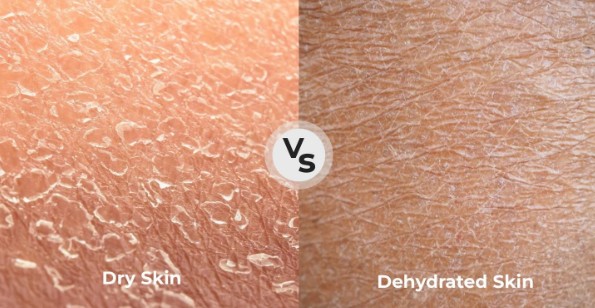
Many people experience tight, flaky or uncomfortable skin and assume they simply have dry skin. But in skincare, “dry” and “dehydrated” are not the same thing — and treating one as the other can leave your skin frustrated, unbalanced and more sensitive than ever.
At ISEDA, we believe in educating customers so they can choose products with confidence. Understanding the difference between dry and dehydrated skin is one of the most important steps in creating a skincare ritual that actually works.
Dry Skin: A Skin Type
Dry skin is a genetic skin type, meaning your skin naturally produces less oil (sebum) than it needs. This lack of oil makes it harder for the skin barrier to stay soft, smooth and resilient.
How Dry Skin Feels and Looks
Flaky, scaly or rough
Tight after cleansing
Rarely shiny
Dull or matte appearance
More visible fine lines (due to lack of lipids)
Prone to irritation
Why It Happens
Genetics are the biggest contributor, but dry skin can worsen through:
Cold or dry climates
Hot showers
Harsh foaming cleansers
Ageing, which reduces natural oil production
How to Care for Dry Skin (ISEDA Approach)
Dry skin thrives on lipid-rich, nourishing and protective ingredients — a philosophy we use across our formulations.
Look for:
Moisturisers designed for dry skin should feel comforting and creamy — replenishing the oils your skin struggles to produce on its own.
Dehydrated Skin: A Condition
Unlike dry skin, dehydrated skin is a temporary condition. It means your skin lacks water, not oil. You can be oily, combination, or dry and still be dehydrated.
Think of dehydration as your skin feeling thirsty.
How Dehydrated Skin Feels and Looks
Tightness (even if skin looks oily)
Fine “crinkle-like” lines
Dullness or tired appearance
Sudden sensitivity
Breakouts caused by compensatory oil production
Makeup that cracks or separates
What Causes Dehydration
Not drinking enough water
Over-cleansing
Overuse of exfoliants or retinoids
Air conditioning, heating or low humidity
Alcohol or high-salt diets
Compromised skin barrier
How to Care for Dehydrated Skin (ISEDA Approach)
The goal for dehydrated skin is to restore hydration and improve water retention.
Look for:
Even oily skin needs a moisturiser — the right kind locks in hydration without heaviness.
Connect
Stay in touch with us
Contact
info@iseda.com.au
© 2025. All rights reserved.